
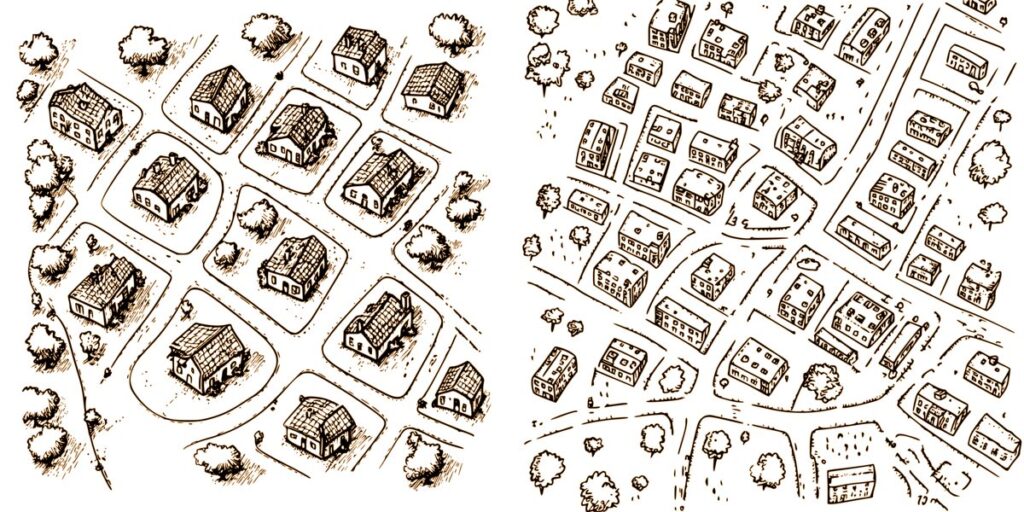
Nestled amid St. George’s red rock vistas and sun-soaked skies, the Twin Lakes neighborhood stands as a hidden gem whose story weaves deep roots into the fabric of Southern Utah. Where meandering streets meet sparkling waters and neighbors greet each other with a wave, Twin Lakes embodies the heritage of small-town warmth alongside the growth and change of an evolving city.
Origins of Twin Lakes
Twin Lakes owes its intriguing name to two storied reservoirs—now affectionately called "the lakes"—that have played a defining role in the neighborhood’s identity since the mid-20th century. Located near the intersection of Twin Lakes Drive and Ridge View Drive, these modest bodies of water were constructed in the 1950s as irrigation ponds. Early St. George relied on agriculture, and the ponds provided crucial water for nearby orchards and grazing lands. As St. George began its quiet expansion, developers saw promise in the serene backdrop the lakes offered, and the neighborhood known as Twin Lakes soon took shape.
Naming the Neighborhood
If you wander near Twin Lakes Park, you’ll catch the glimmer of the two original reservoirs peeking through willow and cottonwood trees. Their symmetry inspired early residents and city planners alike. When subdivision began in earnest in the late 1970s, the name “Twin Lakes” quickly stuck. For locals, the lakes became not just a civic landmark but a peaceful retreat—a favorite place for Sunday picnics, fishing with grandkids, or watching sunsets paint the sky over the water’s calm surface.
Key Historical Milestones
Twin Lakes has mirrored St. George’s growth while preserving a strong sense of neighborhood identity. Notable events and milestones in Twin Lakes’ history include:
- 1950s-1960s – Reservoir Construction: The original twin lakes were constructed and used for agricultural irrigation, providing the foundation for the future community.
- Late 1970s – Residential Development: St. George’s population began to swell, drawing retirees and families seeking sunshine and tranquility. Twin Lakes subdivisions emerged, offering ranch-style homes and generous lots—many with plum, peach, or apricot trees as reminders of the area’s farming roots.
- 1982 – Twin Lakes Park Established: Recognizing the need for public green space, the city dedicated the tranquil five-acre Twin Lakes Park, now a hub for outdoor gatherings (and the annual Twin Lakes Picnic, a cherished neighborhood event).
- 1990s-Present – Community Growth: The neighborhood saw new roads—including the extension of 1400 East and the addition of Twin Lakes Drive—connecting residents more smoothly to Bluff Street, Dixie Drive, and St. George’s vibrant town center.
Notable Landmarks and Institutions
What makes Twin Lakes special isn’t just its geography, but the way neighbors have poured heart and effort into common spaces and institutions. Some landmarks tell the story best:
- Twin Lakes Park: At the heart of the neighborhood, this park is revered for its fishing pond, shaded walking paths, and play areas where generations of children have swung, climbed, and laughed. The community pavilion hosts everything from summer BBQs to Easter egg hunts.
- The Original Ditch Bridge: Known mostly to longtime residents, the small, rustic bridge spanning the old irrigation canal near Willow Run Drive is a favorite spot for neighborhood photographers and kids on bikes.
- Former Farmstead Homesteads: Along Ridge View Drive and Lake Shore Lane, you can still find a handful of original brick and adobe ranch homes—some lovingly restored, others standing as living testaments to the area’s pioneer spirit.
- The Community Bulletin: Maintained since the 1980s at the corner of Twin Lakes Drive and 1380 East, this old-fashioned wooden board keeps neighbors up to date on yard sales, lost pets, and block parties. In an increasingly digital age, it remains a touchstone for community connection.
Evolution and Character
Over the decades, Twin Lakes has balanced growth with a strong commitment to neighborliness and stewardship of the land. The mature trees lining Maple Street and Lakeview Circle were planted by early residents, many of whom still reside here or whose families return on holidays. Lawns and gardens are often generously adorned with roses, irises, and desert wildflowers.
The neighborhood’s layout reflects a bygone era—wide streets, deep setbacks, and no two homes exactly alike. Many houses feature backyard gardens, chicken coops, or arbors heavy with grapes, keeping agricultural traditions alive in small, meaningful ways.
What truly sets Twin Lakes apart is its intergenerational spirit. Here, fourth-generation St. Georgians live alongside newcomers drawn by the area’s quiet charm and quick proximity to schools like Heritage Elementary and St. George Middle School. The preservation of walking trails and open vistas is a point of pride—residents advocate for responsible development and actively participate in city conservation efforts.
Twin Lakes Today
While St. George has grown rapidly, Twin Lakes retains much of its original charm. The recent revitalization of Twin Lakes Park, with improved playgrounds, ADA-accessible paths, and pollinator-friendly gardens, shows the enduring commitment to making Twin Lakes welcoming for everyone.
On spring evenings, you’ll often find neighbors gathered at the park, swapping stories or sharing fresh peaches from backyard trees. Local runners make regular circuits around Twin Lakes Drive, while children ride bikes under the watchful eyes of longtime friends and neighbors.
As Twin Lakes moves forward, its roots hold strong—nourished by the waters that first drew settlers here, and strengthened every day by those who call it home. By cherishing the past while thoughtfully embracing the future, Twin Lakes continues to embody the best spirit of St. George: a place where history is honored and community flourishes.